


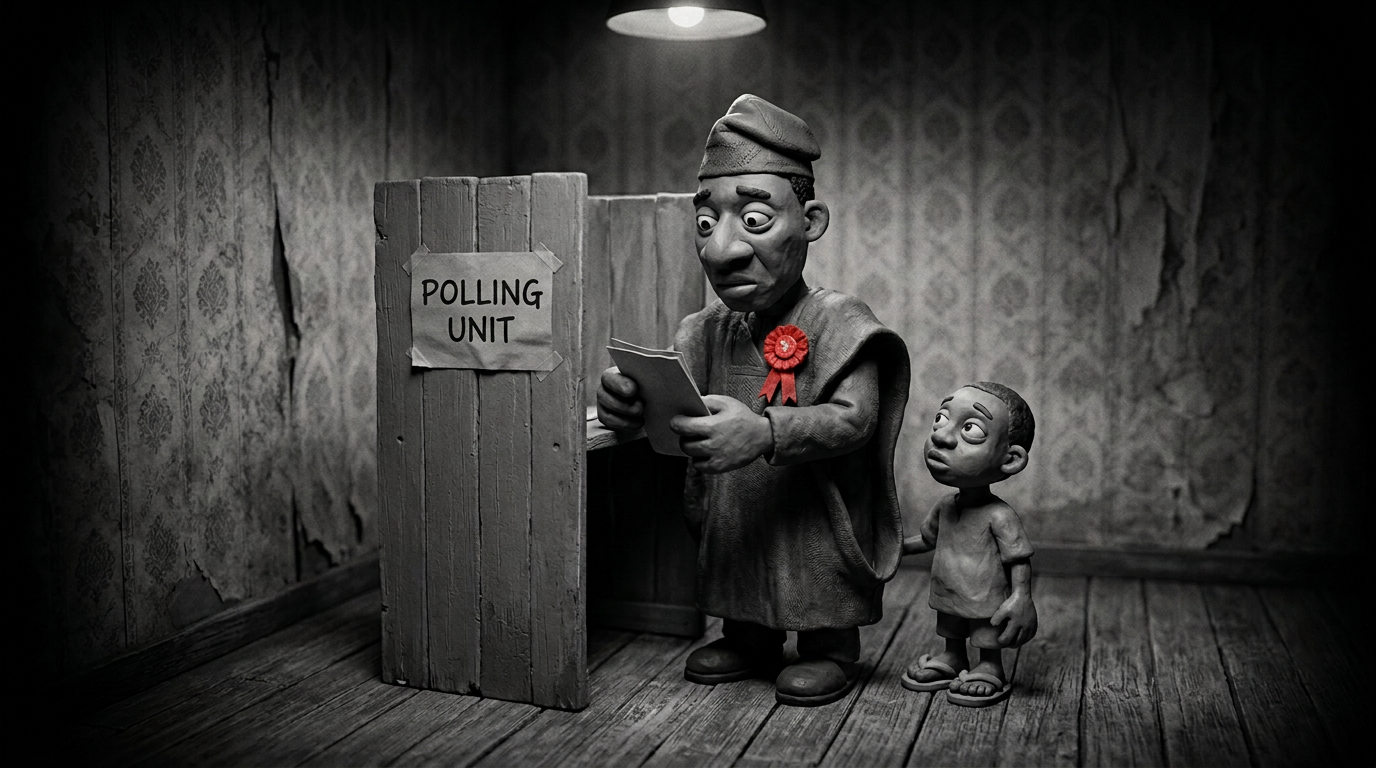
Nigeria’s 2027 elections are no longer a distant conversation. INEC has published candidate lists. Senators have switched parties. Court disputes over nominations are moving through the system. And prediction markets are open.
But political noise and actual evidence are still very different things in this cycle. A defection changes a party’s Senate count. It does not change how voters in a constituency are going to behave. A candidate list gives you the field. It does not tell you who wins. This tracker separates what is confirmed from what is still playing out, and maps it against where the Octupus markets currently sit.
The election dates
The Independent National Electoral Commission has published its timetable. Presidential and National Assembly elections are scheduled for February 20, 2027. Governorship and State House of Assembly elections follow on March 6, 2027.
Those are two separate contests with different candidates and dynamics. A development in the presidential race should not be used to infer what happens in a governorship. Check INEC’s official channels for any subsequent changes.
The Senate has already been reshaped
One of the cleaner facts from the pre-election period is the movement in the Senate. Nine senators defected to the African Democratic Congress: Aminu Tambuwal of Sokoto, Eyinnaya Abaribe of Abia, Victor Umeh of Anambra, Ogoshi Onawo of Nasarawa, and five others from Adamawa, Anambra, Kaduna, FCT, and Adamawa. Seriake Dickson of Bayelsa moved to the NDC. Twelve House of Representatives members switched parties in a single day, including four Adamawa members who joined the APC.
The current Senate breakdown is approximately APC 87, ADC 9, PDP 6, with four other seats spread across APGA, NDC, NNPP, and Accord.
This matters for the House of Representatives contest. The Octupus market currently has APC at 75% to win the most seats, with PDP at 50% and every other outcome still wide open. That 75% for APC reflects a structural advantage most political analysts would not dispute. Whether the ADC’s Senate presence translates into House gains is the more contested question.
The governorship races, state by state
Lagos
The three candidates who matter are Dr. Kadri Obafemi Hamzat (APC, current Deputy Governor), Gbadebo Rhodes-Vivour (ADC, 2023 runner-up), and Engr. Adedeji Doherty (PDP). The Octupus market lists Hamzat and Doherty at 50 each, which does not yet price in APC’s organisational depth or Rhodes-Vivour’s 2023 showing.
Hamzat is the continuity candidate. Rhodes-Vivour is running on decentralisation, housing, and faster private investment in transport. Doherty is centring his campaign on electricity and industrial reform. Multiple APC governorship aspirants stood aside for Hamzat in the primary, suggesting internal unity. One political commentator has called a Hamzat win “easy,” though no credible polling has been published to back that view.
The market closes January 25, 2027. At current numbers, if you believe APC’s Lagos machine is being underpriced, that position is available now.
Ogun
The APC candidate is Senator Solomon Olamilekan Adeola, known as Yayi, a former senator with a record of constituency project delivery that his supporters point to. The PDP candidate is Oladipupo Adebutu, a former House of Representatives member and son of veteran politician Kesington Adebutu.
One complication: INEC’s final list appeared to exclude Adebutu and his running mate at one point, a dispute the October 24 candidate list review deadline was partly designed to address. The APC’s position is that the zoning argument alone works against Adebutu. Governor Dapo Abiodun and Adebutu are both from Iperu in Ikenne Local Government Area, and a same-zone succession is seen internally as difficult to sustain.
Octupus has Adeola and Adebutu at 50/50.
Nasarawa
Ahmed Aliyu Wadada (APC) against David Emmanuel Ombugadu (PDP), currently priced at 50 each. Nasarawa is a swing state by Nigerian standards. Ombugadu ran in 2019 and the outcome was heavily disputed in the tribunals. The Nasarawa senator Ogoshi Onawo joined the ADC as part of the nine-senator move, which could complicate APC’s legislative coalition in the state even if it does not directly affect the governorship.
Check the market on Octupus
Katsina
Three named candidates: Dikko Umaru Radda (APC, incumbent governor), Garba Yakubu Lado (PDP), and Ahmad Babba Kaita, all at 50 on Octupus. Radda is the sitting governor, which historically gives a significant structural advantage in a Northern state.
The fact that the market has not yet priced that in is the more interesting number here.
What candidate lists and defections do not tell you
Three useful distinctions for following this cycle.
A politician joining a party is not the same as voters following them. The ADC’s nine senators are a real development in legislative politics. Whether those senators can bring constituency-level votes is a separate question that requires different evidence.
A court dispute about a nomination is not the same as a candidate being removed. October 24 was the INEC deadline for parties to flag wrongly omitted candidates. That process does not automatically resolve every legal challenge.
A campaign announcement is not a policy record. Every candidate in every state has promises. Compare them to what each person actually did in their last public role.
What to watch before February
Follow INEC announcements on voter registration, campaign periods, and any candidate list updates. Track whether internal party disputes in APC, PDP, and ADC produce visible fractures at the state level, which is different from the national picture. Watch for any credible polling, which barely exists right now. And follow the market prices as new information arrives, because the 50/50 readings across most state races are placeholders, not settled assessments.


