


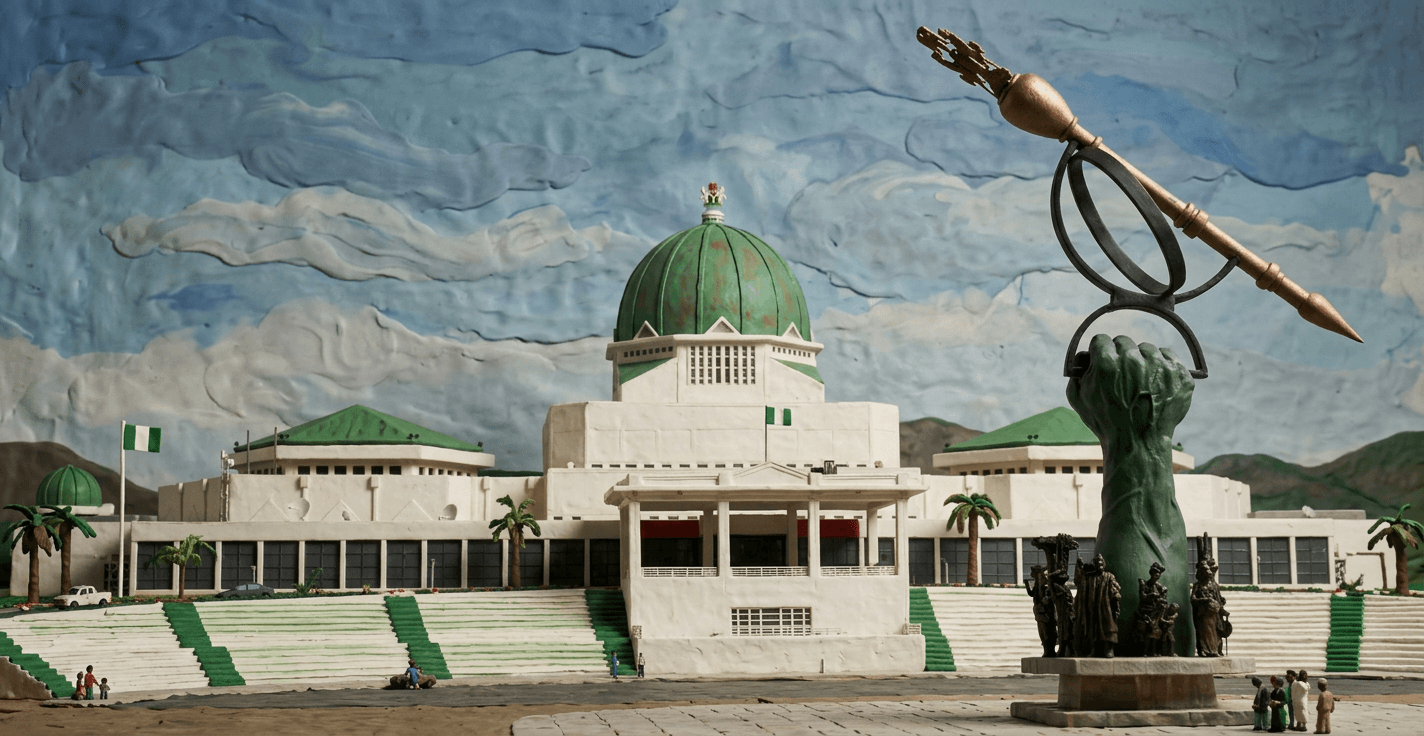
Nigeria 2027 House of Representatives election is imminent.
Since Nigeria returned to democratic rule in 1999, one party has won the House of Representatives in every single election. It is just that the party changed.
From 1999 to 2011, the PDP owned the House with the kind of majority that made the word opposition almost academic. Then in 2015, everything flipped. The APC swept in and has held the most seats in every election since.
The story of Nigeria’s lower chamber is not a story of democratic competition. It is a story of whoever controls the presidency controlling the House.
What the Numbers Actually Show
The data across six House elections tells one clear story.
| Year | Winning Party | Seats Won (of 360) | Context |
|---|---|---|---|
| 1999 | PDP | 206 | First election after military rule |
| 2003 | PDP | 213+ | PDP tightens grip |
| 2007 | PDP | 262 | PDP peak — near two-thirds majority |
| 2011 | PDP | 203 | PDP holds but slightly weaker |
| 2015 | APC | 212 | Historic APC sweep, PDP falls to 140 |
| 2019 | APC | ~202 | APC retains majority |
| 2023 | APC | 176 | APC majority shrinks, LP enters with 35 |
The PDP’s 262 seats in 2007 remains the most dominant single-party House majority in Nigeria’s Fourth Republic. The APC’s 2015 surge — winning 212 seats from a party that did not exist four years prior — remains the most dramatic single-election shift the chamber has ever seen.
One number stands out for 2023: the Labour Party went from 1 seat to 35 in one cycle. It is the fastest rise by a third party in House history. It did not last.
Why Does the President’s Party Always Win House of Representatives elections?
There is no great mystery here, but it is worth naming plainly.
In Nigeria, running for the House of Representatives on the platform of the ruling party is not just a political calculation — it is often the only viable one. Federal patronage flows through party structures. Governorship aspirations depend on being on the right side. The incentive to defect toward power is relentless, and the House reflects that logic every single election.
Since the 2023 election, the APC has grown its House majority substantially through defections — not through the ballot box. The opposition won 184 seats in June 2023 when the 10th Assembly was inaugurated. By early 2026, the APC held around 262 seats, up from 176 at election time. The PDP collapsed from 119 seats to roughly 43. Labour Party fell from 35 to 14.
None of that happened at an election. It happened through lawmakers reading the room and switching teams.
This is the system’s dominant logic: the winning presidential party does not just win the House — it absorbs it.
What 2023 Changed and What It Didn’t
The 2023 election was genuinely unusual. For the first time since the return to democracy, a third party won a meaningful number of House seats. Labour Party rode Peter Obi’s presidential momentum from 1 seat to 35. The New Nigeria Peoples Party won 19 seats in its debut outing. The PDP fell but remained second. The APC, for the first time, did not win a commanding majority on election night.
For a moment, it looked like something had shifted.
It hadn’t. Within a year, the defections began. LP lawmakers crossed to APC and ADC. PDP members followed. By the time the picture settled in 2025, the APC held a two-thirds supermajority built not through any election but through the same gravitational pull that has always governed the House. Third parties had arrived — and been absorbed.
What 2023 actually showed is that Nigerian voters can break from party loyalty when a candidate creates genuine excitement. What it also showed is that the structural incentives facing elected lawmakers are stronger than any wave election.
So What Does 2027 Actually Look Like?
History points in one direction: the party that wins the presidency almost certainly wins the House.
The APC enters 2027 with an overwhelming structural advantage. It already holds a supermajority built through defections. It controls the federal government, which means it controls the patronage networks that determine which way floating lawmakers and candidates lean.
The opposition picture is fragmented in ways that mirror 2015 — but in reverse. The ADC, now home to Peter Obi and reportedly attracting defectors from both PDP and APC fringes, is the most watched emerging force. PDP has shrunk to a shadow of its former self in the House but retains strong state-level presence in some geopolitical zones. Labour Party, once the story of 2023, has been reduced to a rump of 14 seats.
Three things could genuinely disrupt the APC’s expected dominance:
- A credible presidential challenger creates the same wave Obi created in 2023, dragging House candidates with him in his strongest zones.
- Internal APC fractures — between Tinubu’s loyalists, northern power brokers, and former PDP governors now inside the tent — produce coordinated defections before the election rather than after it.
- INEC’s conduct. Every credibility gain INEC makes raises the cost of using incumbency to suppress opposition House candidates.
Without any of those three, the base case is straightforward: APC wins the most seats. The only open question is how many.
Back Your Call
If the data says anything, it says this race has a heavy favourite. But Nigerian elections have surprised before — and the crowd has a view on what happens when history meets 2027.
The market for which party wins the most seats in Nigeria’s 2027 House of Representatives election is live on Octupus. Stake your prediction, see the crowd odds, and back your call.


